
Ceramides are skin-identical lipids that make up roughly half of your stratum corneum (the outermost skin layer) by weight. Think of them as the “mortar” that holds your skin cells (the “bricks”) together. While your body makes ceramides naturally, they decline with age, seasonal shifts, harsh cleansers, over-exfoliation, and inflammatory conditions like eczema and rosacea. Topical ceramides help rebuild the barrier, reduce water loss, and calm visible irritation—making them a hero for dry, sensitive, and rosacea‑prone skin.
At the skin level, ceramides slot into the lipid matrix between corneocytes, restoring the lamellar (layered) structure that keeps moisture in and irritants out. Formulas that combine ceramides with cholesterol and free fatty acids in balanced ratios mimic your skin’s natural composition and accelerate repair. You’ll often see Ceramide NP, AP, and EOP on ingredient lists; these mirror key ceramide types found in healthy skin. Over time, consistent use reduces transepidermal water loss (TEWL), softens rough texture, and helps quiet stinging and redness. Not sure what your skin needs? Start by discover your skin type.
How to Use It
Look for well-designed barrier creams and serums that feature multiple ceramide types (e.g., NP, AP, EOP) alongside cholesterol and linoleic-rich fatty acids. Effective use cases: daily, AM and PM. Typical effective ranges you’ll see on labels: 0.3–1% pure ceramides or 1–4% of a multi-lipid complex that contains ceramides, cholesterol, and fatty acids. Because disclosure varies, prioritize formulas that specify multiple ceramide types or highlight a “ceramide complex” with supportive lipids and precursors like phytosphingosine. Layering tips: after cleansing, apply humectants (glycerin, hyaluronic acid), then your ceramide moisturizer to seal hydration. If your barrier is fragile, keep exfoliating acids (AHA/BHA/PHA) to 1–3 nights a week and buffer strong actives (like retinoids) by sandwiching them between layers of a ceramide cream. In the morning, finish with sunscreen—ceramides help reduce dryness from UV filters and environmental stressors. Smart pairings: niacinamide (supports barrier function), panthenol, colloidal oatmeal, and occlusives like petrolatum or shea butter if you’re very dry. Avoid stacking too many actives at once when your skin is flaring; let ceramides do the heavy lifting for 2–4 weeks, then reintroduce stronger actives slowly.
Products to Try
Minimalist Ceramide Cream
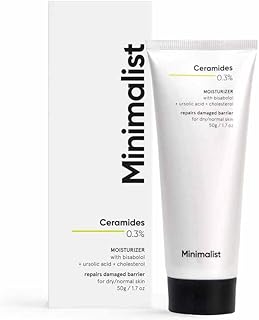
Price: $16.46 | Concentration: 0.3%
Formulated around a defined ceramide level with soothing bisabolol, this is a straightforward barrier‑first cream for dry, sensitive skin rebuilding from irritation or over-exfoliation.
Toleriane Repair Matte

Price: $24.99 | Concentration: not disclosed
Includes Ceramide NP/AP/EOP plus niacinamide in a lightweight, oil‑free base—ideal if you’re combination or rosacea‑prone and want barrier repair without heaviness.
CeraVe Retinol SPF Cream

Price: $23.86 | Concentration: not disclosed
Combines a ceramide trio with cholesterol and hyaluronic acid to offset dryness from retinol and sunscreen—useful if you’re easing into retinoids but want to protect your barrier.
HygieneLab Ceramide Moisturizer
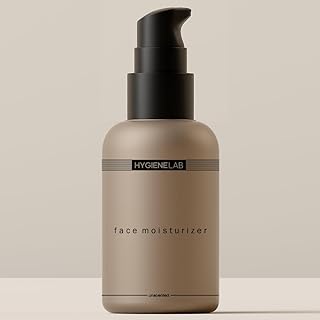
Price: $27 | Concentration: not disclosed
Unscented and designed for daily comfort, this option pairs barrier lipids with humectants and squalane—good for sensitive users who prefer a simple, minimalist INCI.
Who Should Avoid It
Ceramides themselves are well-tolerated by nearly all skin types, including eczema and rosacea. If you’re acne‑prone or malassezia‑prone, the potential issue is usually the cream’s texture or supporting emollients, not the ceramides. Choose lighter gel‑cream vehicles and avoid heavy esters if you clog easily. If you’re reacting during a rosacea flare, stick to fragrance‑free, low‑irritant formulas and pause exfoliants until calm. Extremely sensitive users may tingle with precursors like phytosphingosine—patch test first. Vegan users can look for “phyto‑ceramides” or lab‑synthesized ceramides (most modern formulas are not animal‑derived).
Start slow: apply a ceramide moisturizer daily for two weeks before reintroducing stronger actives. Consistency matters—barrier lipids work cumulatively. Want a routine dialed to your exact skin type? Head to https://skinguide.beauty to build a lipid‑smart routine that pairs ceramides with the right supporting actives for you.

Leave a Reply