
DSPT stands for Dry, Sensitive, Pigment‑Prone, Tight in the Baumann Skin Type system. Day to day, that can feel like tightness after cleansing, occasional stinging or flushing when products are too strong, and dark marks that linger after even small breakouts or irritation—yet you may not see many wrinkles. The right routine must restore your moisture barrier, calm reactivity, and prevent new discoloration while staying gentle. If you’re unsure whether you’re truly DSPT, you can discover your skin type first so these recommendations match your skin’s biology.
Why Your DSPT Skin Needs This
Each Baumann letter maps to a care priority. For Dry (D), your barrier underproduces lipids, so water escapes easily. Look for barrier repairers—ceramides, cholesterol, and free fatty acids—plus humectants like glycerin and hyaluronic acid, and cushioning emollients like squalane and shea. Skipping these leads to microcracks, tightness, and a cascade of sensitivity.
For Sensitive (S), skin is quick to inflame. Anti-inflammatory and barrier-supportive ingredients such as niacinamide (at tolerable levels), panthenol, allantoin, centella, and colloidal oat help turn down stinging and redness. Avoid fragrance, essential oils, harsh surfactants, and high-alcohol toners—without this vigilance, inflammation can worsen dryness and trigger post-inflammatory hyperpigmentation (PIH).
Pigment‑Prone (P) skin needs daily, photostable sunscreen and non‑irritating brighteners. Niacinamide, azelaic acid, tranexamic acid, licorice root, and vitamin C derivatives can reduce melanin transfer and calm the pathways that drive dark spots. If you skip both sunscreen and brighteners, any irritation or incidental sun exposure can deepen and prolong spots.
Tight (T) means you’re not yet showing wrinkles. Prevention outweighs aggressive resurfacing. Antioxidants protect against future photodamage, while gentle, consistent barrier care keeps sensitivity in check. Overusing high‑strength acids or retinoids now can ignite inflammation and PIH—counterproductive for DSPT.
Your DSPT Routine
Step 1: Cleanser
I’m From Mugwort Cleanser

Price: $12.60
This low‑pH gel uses mugwort and soothing ferments to cleanse without stripping—a priority for the Dry (D) and Sensitive (S) traits. Use with lukewarm water for 30–60 seconds; avoid over‑lathering and morning double‑cleansing to maintain barrier lipids.
Step 2: Treatment
Good Molecules Niacinamide Serum
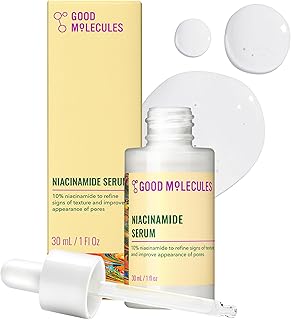
Price: $5.97
Niacinamide (10%) addresses three DSPT needs at once: it supports the barrier for Dry/Sensitive traits, reduces redness, and helps fade dark spots for the Pigment‑Prone (P) trait. This formula also includes licorice and green tea extracts for extra calm. Apply 2–3 drops after cleansing once daily; patch test first if you’re highly reactive.
Step 3: Moisturizer
LATHER Ultra Light Face Lotion
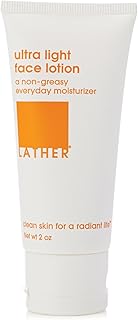
Price: $26
Fast‑absorbing yet cushioned with dimethicone, shea, and sodium hyaluronate, this is friendly to the Sensitive (S) trait while countering Dry (D) tightness. Apply to slightly damp skin to lock in humectants; at night, layer an occlusive balm over dry patches if needed.
Step 4: Sunscreen
Pacifica Sun Dreams SPF 30

Price: $7.11
This mineral‑forward SPF 30 includes titanium dioxide and iron oxides—key for Pigment‑Prone (P) skin because visible light can worsen PIH. It also contains squalane and niacinamide to stay comfortable on Dry/Sensitive skin. Use a generous 1/4 teaspoon for the face and reapply every 2 hours with continued sun exposure.
What to Avoid for DSPT Skin
- Fragrance and essential oils — common triggers for stinging and redness in Sensitive (S) skin that can prolong dark marks in Pigment‑Prone (P) types.
- Harsh surfactants and high‑alcohol toners — strip lipids in Dry (D) skin, weakening the barrier and increasing reactivity.
- Strong peels/retinoids too fast — aggressive actives can inflame Sensitive (S) skin and spark post‑inflammatory hyperpigmentation.
As seasons change, adjust textures and frequency: add a richer balm in winter for Dry (D) tightness, or use treatment every other night during flare‑ups. When your barrier feels calm, you can slowly introduce additional gentle brighteners (e.g., azelaic or tranexamic acid) on alternating nights. To personalize this further, head to https://skinguide.beauty and take the full skin type quiz—then refine your DSPT routine with precision.


Leave a Reply