
Salicylic acid (SA) is a beta hydroxy acid (BHA) originally derived from willow bark but now produced synthetically for purity and consistency. It’s a cornerstone ingredient for oily and blackhead‑prone skin because it targets the root of comedones: sticky, compacted dead skin and oil inside pores. If you’re dealing with clogged pores, blackheads, whiteheads, rough texture, or a shiny T‑zone, salicylic acid is one of the most evidence‑backed actives to reach for—and it can work even for sensitive skin when used thoughtfully.
At the skin level, salicylic acid is lipid‑soluble, so it can slip into oily pores and break apart the “glue” (corneodesmosomes) that holds dead cells together. This desmolytic action clears the pore lining, reduces microcomedones (the earliest acne lesions), and helps loosen existing blackheads so they release more easily. SA also has anti‑inflammatory activity (it’s in the salicylate family, like aspirin), which calms redness and swelling around blemishes. Optimal activity occurs in formulas around pH ~3–4, and consistent use reduces congestion over time. Not sure how your skin behaves? Start by discover your skin type so you can match SA strength and format to your needs.
How to Use It
For leave‑on products, effective over‑the‑counter concentrations are typically 0.5%–2%. Sensitive or reactive skin often does best with 0.5% daily or 1% every other night; very oily, blackhead‑prone skin can tolerate 1%–2%. Cleansers with 0.5%–2% deliver “short‑contact therapy”—great as a gentle entry point if you’re sensitive. Start 2–3 nights per week, then increase to nightly as tolerated. Most people prefer SA at night; if you use it in the morning, pair with sunscreen because a clearer, smoother stratum corneum can be a bit more sun‑reactive.
Layering tips: cleanse, apply a hydrating toner or essence (optional), then your salicylic acid, followed by a soothing moisturizer. If you’re dry or sensitive, try the “moisture sandwich”: a thin layer of moisturizer before and after SA to buffer potential sting while preserving efficacy. Pair SA with barrier‑supportive ingredients like panthenol, ceramides, glycerin, and squalane. Niacinamide (2%–5%) is an excellent companion to help regulate sebum and reduce redness. Avoid combining with other strong acids, scrubs, or high‑dose retinoids on the same night at first—alternate them on different nights to minimize irritation. If you also use benzoyl peroxide, separate by time of day or alternate nights until your skin proves it can handle both. Always patch test before full‑face use.
Products to Try
Rapid Clear SA Pads

Price: $8.97 | Concentration: 2%
Classic 2% salicylic acid pads that decongest quickly—great for oily T‑zones and stubborn blackheads. They’re strong; sensitive skin should start sparingly or buffer with moisturizer.
Pink Grapefruit SA Lotion

Price: $9.97 | Concentration: 0.5%
A lighter 0.5% option suited to daily maintenance for oily or combo skin. Note it’s fragranced, so very sensitive skin may prefer a fragrance‑free alternative.
Stubborn Body SA Spray

Price: $18.99 | Concentration: 2%
2% salicylic acid in a no‑touch spray for chest and back congestion. Even coverage helps penetrate follicles where oil and sweat build up.
SkinClearing SA Concealer
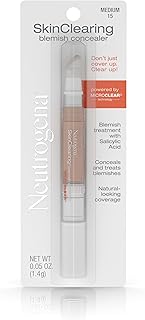
Price: $10.09 | Concentration: 2%
Makeup‑meets‑treatment that spot‑targets blemishes with salicylic acid while providing coverage. Best for localized areas rather than all‑over application on sensitive skin.
Who Should Avoid It
Avoid or use extreme caution if you have a known salicylate/aspirin allergy, active eczema or a significantly compromised skin barrier, or if your skin is recovering from procedures (e.g., peels, lasers, microneedling). During pregnancy, limited, localized use is generally considered low risk, but many prefer to avoid leave‑on salicylates—consult your healthcare provider. If rosacea flares with acids, try alternatives like azelaic acid (10%–15%), polyhydroxy acids (e.g., gluconolactone), sulfur (3%–10%), or a gentle retinoid introduced slowly.
Introduce salicylic acid gradually, listen to your skin, and prioritize barrier care. A smart, steady approach usually beats going in strong. Not sure where to start? Head to https://skinguide.beauty to find the right ingredients and strengths for your skin type.

Leave a Reply