
Ceramides are skin-identical lipids that make up about half of the stratum corneum (the outermost skin layer). Think of them as the mortar holding your skin cells (the bricks) together. When you’re oily, acne‑prone, and sensitive, your barrier is often compromised by harsh cleansers, over-exfoliation, or strong acne treatments—leading to dehydration, stinging, and even more oiliness as your skin tries to compensate. Topical ceramides, usually listed as Ceramide NP, AP, or EOP, or as phyto-/pseudo-ceramides, replenish what’s missing so skin feels calmer, less tight, and better balanced.
On a skin level, ceramides slot into the lipid matrix alongside cholesterol and free fatty acids, rebuilding the lamellar “layers” that prevent transepidermal water loss (TEWL). A stronger barrier means fewer micro-fissures and less nerve irritation, so sensitivity and redness are reduced. For acne-prone routines, ceramides counter the drying effects of retinoids, benzoyl peroxide, and salicylic acid, helping maintain treatment adherence. Over time, barrier repair can reduce reactive oiliness and visible roughness by normalizing shedding. Want a customized plan? discover your skin type.
How to Use It
Look for formulas with 0.3–1% pure ceramides or 1–5% of a ceramide complex. Efficacy is best when ceramides are paired with cholesterol and free fatty acids in roughly 1:1:1 to 3:1:1 ratios, often delivered in multi-lamellar or biomimetic emulsions. For oily and acne‑prone skin, choose gel-cream or oil-free moisturizers labeled non-comedogenic and avoid heavy textures if you clog easily.
Layering: apply ceramide moisturizers after water-based serums. If you use actives like benzoyl peroxide, salicylic acid, azelaic acid, or retinoids, you can apply your treatment first, then seal with a ceramide moisturizer to blunt irritation. For very sensitive skin, try the “moisturizer sandwich”: a thin ceramide layer, then your active, followed by another thin layer of ceramides. Use twice daily; AM under sunscreen and PM after your treatments. Great pairings include niacinamide (2–5%) to boost barrier lipids and soothe redness, panthenol, hyaluronic acid, colloidal oat, and squalane. If you’re reactive, limit strong leave-on acids on the same night as retinoids—your ceramide cream will support recovery either way.
Products to Try
Minimalist 0.3% Ceramide Cream
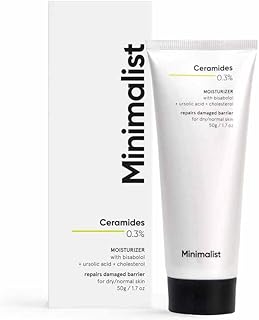
Price: $16.46 | Concentration: 0.3%
Names ceramides up front and pairs them with bisabolol and soothing oat—great for strengthening a compromised barrier while keeping the finish lightweight.
Toleriane Double Repair Matte

Price: $24.99 | Concentration: not disclosed
Includes ceramide NP/AP/EOP with niacinamide in an oil-free, matte texture—ideal for oily, sensitive skin that needs barrier support without shine.
HygieneLab Ceramide Moisturizer
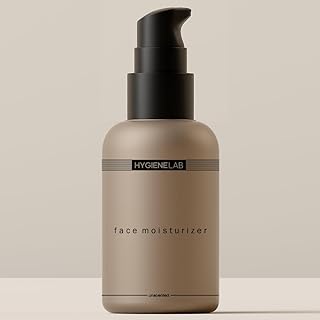
Price: $27 | Concentration: not disclosed
Fragrance-free, lightweight, and bolstered with hyaluronic acid and squalane. A gentle, everyday barrier helper suited to reactive, combination skin.
The Ordinary PhytoCeramides Set
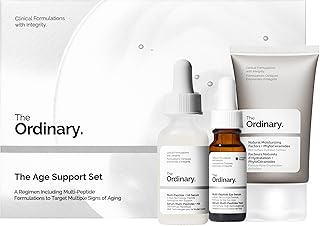
Price: $33 | Concentration: not disclosed
Features phyto-ceramides within a barrier-supporting routine—useful if you want an easy, layered approach to cushioning actives in an acne regimen.
Who Should Avoid It
Ceramides themselves are non-comedogenic and well tolerated across skin types, including sensitive and acne-prone. The watch-outs are the vehicles: if you clog easily, avoid rich creams heavy in comedogenic emollients like isopropyl myristate, certain butters, or waxes. If you’re prone to “fungal acne” (Malassezia folliculitis), choose simpler formulas and minimize esters and polysorbates; ceramides are fine, but the companions may not be. Extremely oily skin might prefer matte gel-cream textures. As always, patch test if you’re reactive or if the formula includes botanicals or fragrant components.
Start by adding a ceramide moisturizer once daily for a week, then move to twice daily as tolerance allows—especially if you’re using retinoids or benzoyl peroxide. Expect calmer, less reactive skin in 2–4 weeks as the barrier rebuilds. Not sure which texture or pairing is right for your exact skin? Visit https://skinguide.beauty to find the best ceramide formula and complementary actives for your skin type.

Leave a Reply