
Retinol is a cosmetic form of vitamin A long considered the gold standard in over‑the‑counter anti‑aging. It’s a precursor to retinoic acid (the active form used in prescription tretinoin) and is best known for softening fine lines and wrinkles, improving uneven tone, and refining texture. For dry, wrinkle‑prone, and sensitive skin, retinol can absolutely work — the key is selecting the right strength and vehicle (usually a cream) and building tolerance gradually.
Once applied, retinol converts in the skin to retinaldehyde and then to retinoic acid, which binds to retinoid receptors to nudge cells to behave more youthfully. This increases epidermal turnover, boosts collagen I & III synthesis, and reduces excess matrix metalloproteinases (MMPs) that break down collagen. Over time, skin looks smoother, pores appear more refined, and dark spots fade more quickly as pigmented keratinocytes shed. To personalize how strong you go and how often to apply, you can discover your skin type.
How to Use It
Concentration and format: For dry, sensitive, wrinkle‑prone skin, start with 0.1–0.3% retinol in a cream base; microencapsulated or time‑release formulas are gentler. Once well tolerated (no flaking or stinging for 2–4 weeks), you can step up to 0.5%. Strengths near 1% are best for highly tolerant skin — higher is not automatically better, especially if it disrupts your barrier. Many brands don’t disclose exact percentages; in those cases, choose products marketed for beginners or sensitive skin and look for buffering ingredients like ceramides, squalane, shea butter, glycerin, and panthenol.
Frequency: Begin 2–3 nights per week, using a pea‑sized amount for the entire face. Increase by one night every 1–2 weeks as tolerated until nightly. Apply to clean, fully dry skin (damp skin increases penetration and irritation). If you’re very sensitive, use the sandwich method: a thin moisturizer layer, retinol, then a richer moisturizer or balm.
AM vs PM: Use retinol at night. It’s photolabile and may increase sun sensitivity. Pair with daily broad‑spectrum sunscreen and barrier‑supporting moisturizers to offset dryness.
Layering: Retinol pairs well with niacinamide, peptides, panthenol, centella, hyaluronic acid, ceramides, and cholesterol. Avoid using it in the same routine with benzoyl peroxide (they can deactivate each other) and be cautious with strong acids (high‑strength AHAs/BHAs) or L‑ascorbic acid serums on the same night — alternate if you use them. If you’re using prescription exfoliants or have recently had procedures (peels, lasers), ask your provider before adding retinol back.
Products to Try
RE’ EQUIL 0.3% Retinol
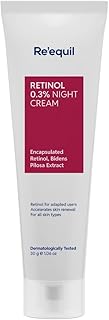
Price: $18.9 | Concentration: 0.3%
A straightforward 0.3% retinol night cream cushioned with emollients — a smart starting point for dry or sensitive, wrinkle‑prone skin building tolerance with a mid‑low strength.
Neutrogena Rapid Wrinkle Repair Night

Price: $22.69 | Concentration: Undisclosed
Features retinol plus soothing helpers like bisabolol and panthenol. A classic entry retinol cream that layers easily over a hydrating serum for comfort.
Neutrogena Retinol Pro+ Night

Price: $33.39 | Concentration: Undisclosed
Pairs retinol with peptides, ceramides, and cholesterol to reinforce the barrier — a smart pick for dry, sensitive types who still want a meaningful retinoid.
Age Renewal Retinol Cream
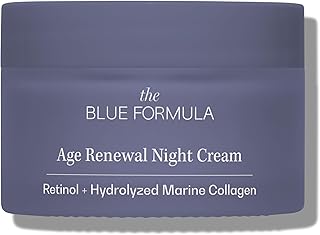
Price: $54.9 | Concentration: Undisclosed
Retinol is supported by peptides and green tea extract; the lightweight cream texture suits those who want anti‑aging benefits without a heavy feel.
Who Should Avoid It
Retinol isn’t ideal if you’re pregnant or breastfeeding; consult your healthcare provider. Post‑procedure skin (peels, microneedling, lasers) and those on oral isotretinoin should pause retinoids until cleared by a professional. Active eczema, contact dermatitis, or a severely compromised barrier may flare — stabilize first with ceramides, cholesterol, and soothing agents. Very reactive types can try gentler alternatives like low‑dose retinal, granactive retinoid (HPR), bakuchiol, or azelaic acid for tone and texture.
To introduce retinol safely, start low and slow, buffer with moisturizer, and keep sunscreen non‑negotiable every morning. If stinging or flaking persists beyond the first few weeks, scale back frequency or step down in strength. Want help tailoring retinol to your exact skin type and routine? Visit https://skinguide.beauty to find the right ingredients and build a plan that your skin will love.

Leave a Reply